
Getting Pitt County Court Records
The North Carolina eCourts Portal is where most Pitt searches begin. It shows public Case Summary screens. It also shows Case Events, hearing listings, and any documents posted for viewing. Keep one thing straight: the Portal is reference access, not the official record. Who keeps the official files? The Pitt County Clerk of Superior Court, for both Superior Court and District Court. There is also a public self-service terminal in the clerk office. Use it when a remote search leaves gaps.
Records can be inspected at the Pitt Clerk's office, discussed by phone, or requested by mail. The requester confirms the method first. The clerk offers no Pitt-specific mail form. There is no public email or fax route either. A state administrative request form will not replace a county case-file request. When the case number is unknown, Pitt County case lookup helps. It finds the number before a document request goes in. Requests route fastest when the case number and record name are in hand.
- Search the case by number or party in Portal, then note the court division, document title, and document date.
- Check whether a public Pitt case image is available, while remembering that an online image is not a certified copy.
- Use the Pitt Clerk or a courthouse kiosk for an unavailable, older, or limited public record.
- Call the Clerk at 252-695-7100 to confirm copy logistics or whether correspondence is appropriate before mailing a request.
- State whether a plain copy, certified copy, docket, order, judgment, or transcript is required before charges are collected.
Pitt Case Summary and Documents
A Pitt court docket is a dated index of activity. It is not the paper behind each entry. Inside the Portal, the detail screen is the Case Summary. It is also called a Register of Actions. Its timeline is labeled Case Events. Filed documents are different. An order, pleading, notice, judgment, or exhibit counts as its own kind of Pitt court record. It appears online only when it is public and available. If the image is missing, the Pitt Clerk holds the file where the case was filed.
| Record | What it supplies | Pitt access route |
|---|---|---|
| Case Summary or Register of Actions | Dated case activity, settings, dispositions, and displayed panels | Portal, courthouse kiosk, or Clerk inspection |
| Filed document | The underlying order, judgment, pleading, notice, or exhibit | Public Portal image when available, otherwise the Pitt Clerk |
| Certified copy | Clerk-authenticated official copy | Pitt Clerk where the case was filed |
Portal information updates in near real time, though processing volume can slow it. A printout is still just a printout. When the Clerk's certification is required, only the clerk can issue that official copy.
Court Record Types
Pitt's unified Clerk keeps trial-court records spanning criminal, civil, family, estate, special-proceeding, and magistrate matters. Name the record type as narrowly as you can. An order dated on a known Pitt hearing is a sharper request than every paper in a thick file. Transcripts follow their own route. A reporter or transcriptionist prepares them from a proceeding rather than the clerk supplying an ordinary docket copy.
- Case Summary or Register of Actions entries, including Case Events and hearings.
- Filed pleadings, motions, notices, and related court papers.
- Orders and judgments entered in the court file.
- Public criminal, civil, estate, and special-proceeding material, subject to access limits.
- Transcripts requested through the official court-reporter channel.
North Carolina's court-record guidance describes the clerk-office terminal and explains that a file is viewed in the county where the case sits.
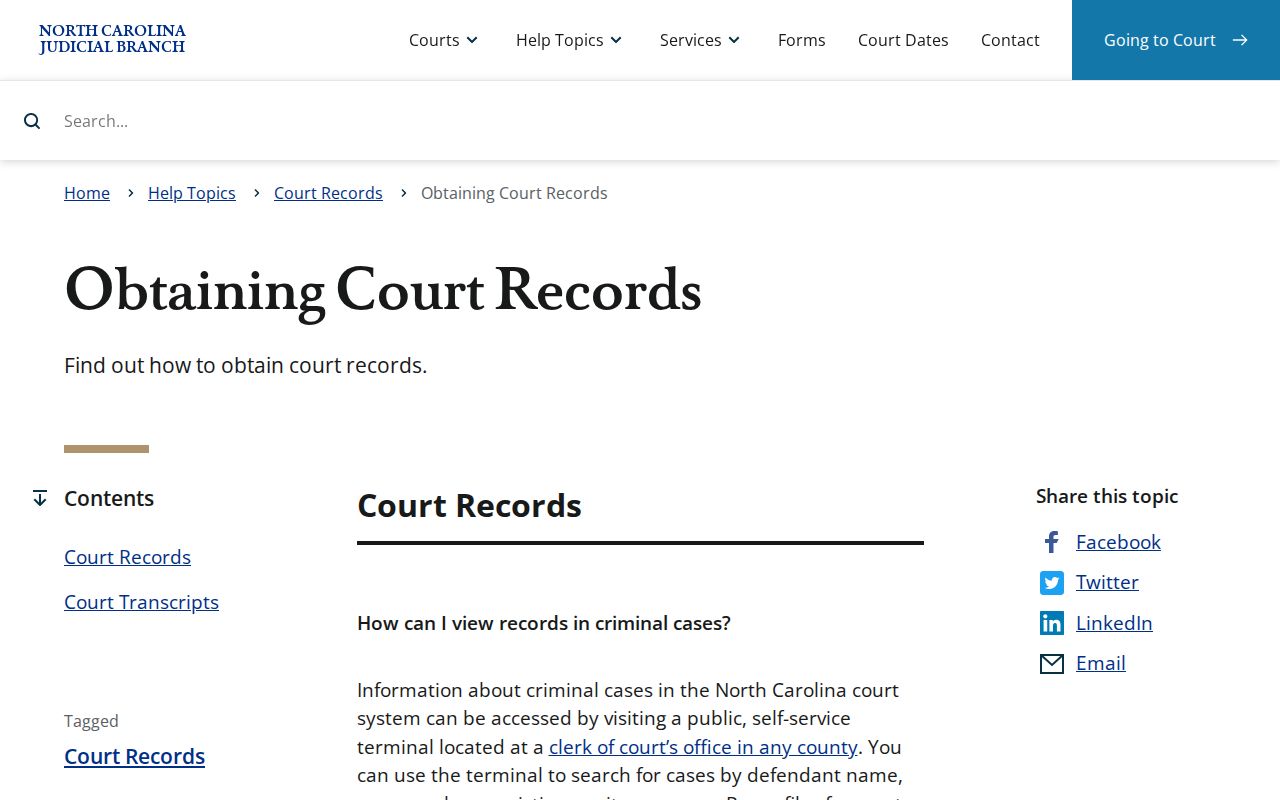
For Pitt court records, that rule points to the Pitt Clerk. No separate county department holds the file.
Pitt Court Record Access Channels
Remote Portal access, the Pitt courthouse kiosk, and clerk inspection cover some of the same ground, but each does a different job. Ordinary anonymous public search needs no registration. Registration unlocks no restricted material. Downloads and payments happen through the Portal. Certain protective-order case types are open to anonymous users at the Pitt kiosk rather than remotely. One caution: a public Pitt search that returns nothing does not prove a confidential, sealed, or expunged file never existed.
| Channel | Best use | Important limit |
|---|---|---|
| eCourts Portal | Public case information, Case Summary, hearings, and available documents | It is not an official court record |
| Courthouse kiosk | In-person public lookup and inspection | Downloads and payments remain Portal-only |
| Pitt Clerk | File inspection, copies, certification, and help locating a record | Access still depends on confidentiality and case status |
At the counter, say whether you want a docket, a filed document, or a certified copy. The Pitt courthouse sits at 100 W. Third St., Greenville, NC 27834. Clerk public hours run 8:30 a.m. to 5:00 p.m. on weekdays.
Inside a Pitt County Court Record
The Portal shows Pitt case panels that vary with the case. Case Information identifies the file. Assignment Information gives the court context. Party Information lists formal roles. Causes of action can appear on civil, family, probate, and mental-health files. Case Events lay out the dated Pitt history. Hearings, Dispositions, and Financial Information appear where data applies. An empty panel means Portal has nothing to show there, not that the case lacks importance.
| Case number | The full Enterprise Justice identifier, such as 21CR000003-910, uses a year, case-type letters, sequence, and county identifier. |
|---|---|
| Case Events | Dated filings, notices, court actions, and other procedural entries. |
| Hearings | Scheduled or completed settings when the case has hearing data. |
| Dispositions | Recorded outcomes that should be read with the related Case Events. |
| Documents | Public images only when the material is nonconfidential, nonsealed, and available. |
Read the court and the most recent Case Event before treating any single entry as the whole record. For a current hearing, Search Hearings beats an older docket entry as a calendar tool.
Pitt Clerk Record Request Details
Call before you mail anything. The Pitt Clerk's main line is 252-695-7100. A quick phone call confirms what your record request needs. When you write, send the full Pitt case number if you have it, plus the party name, the division, the document title or event date, and whether you need certification. The published mailing address is Pitt County Courthouse, P.O. Box 6067, Greenville, NC 27835. The clerk posts no copy-request form or processing time. A call first is the safe move.
One clerk covers both courts. The Clerk maintains records for Superior Court and District Court alike, from ordinary traffic and misdemeanor matters in District Court to felony and major civil matters in Superior Court. So a Pitt case never needs a separate district-clerk request. To file a new document, use North Carolina eCourts File & Serve. That system handles filing only, not public record reading or clerk copies.
Fees and Certified Copies
Know what you are ordering. A plain Pitt copy is just a reproduction of a record. A certified copy is authenticated by the Pitt Clerk. It carries a certificate-under-seal charge on top of the copy preparation charge when applicable. An exemplification is a separate service entirely. Ask for the total before you pay, since one request can involve several documents or services. Portal viewing or printing may also cost money. The Pitt Clerk publishes no per-document Portal price.
| Item | Published charge |
|---|---|
| Preparation of a copy by the Clerk, first page of each document | $2.00 |
| Each additional page or fraction | $0.25 |
| Certificate under seal | $3.00 per certificate |
| Exemplification | $10.00 |
G.S. 7A-308 supplies the statutory clerk-fee authority for these Pitt court-record services.
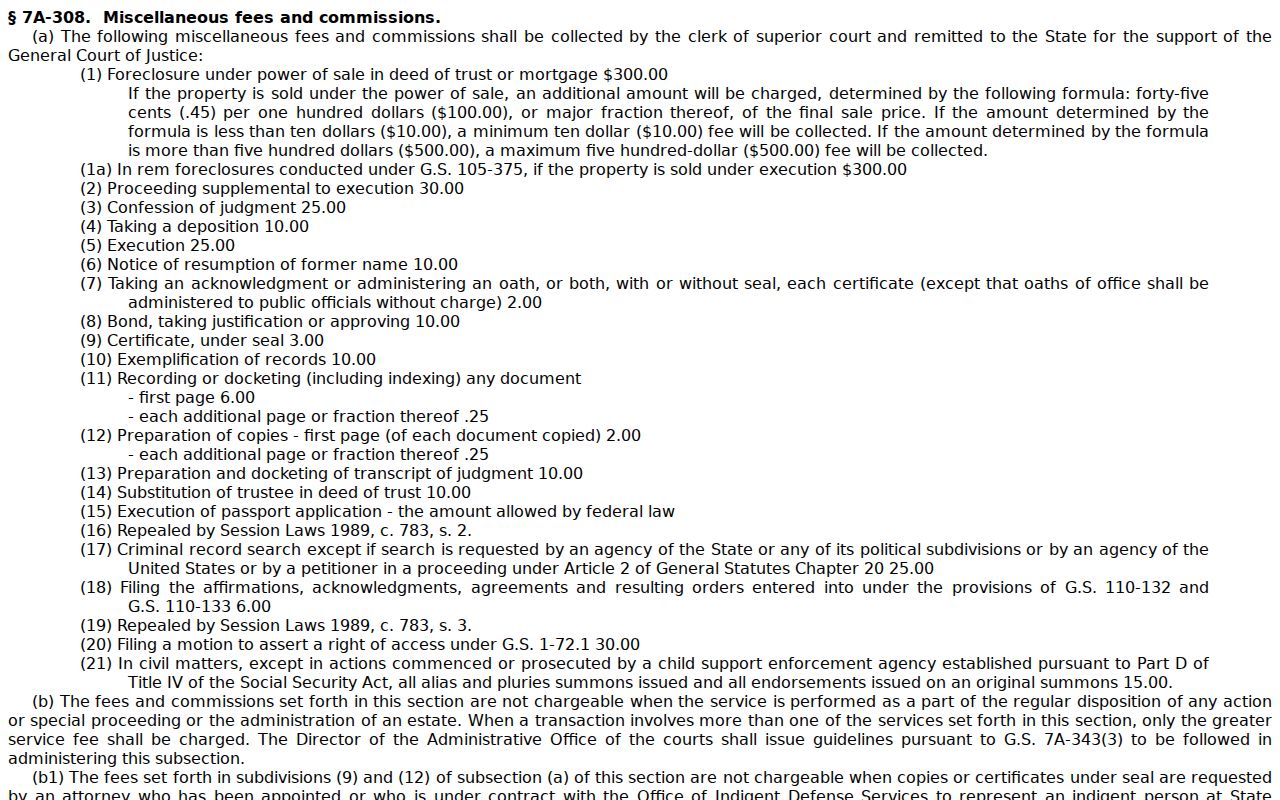
Treat the fee table as a planning aid. It cannot promise that every document is available, or that one request needs only one service. For the underlying cost rules, North Carolina court-cost guidance sets out the statewide framework that applies to a Pitt copy request.
A certified copy in Pitt County costs what the Clerk's statute allows, not what an online estimator guesses.
Pitt County Clerk of Superior Court
100 W. Third St.
Greenville, NC 27834
252-695-7100
Pitt Court Records and NCAOC
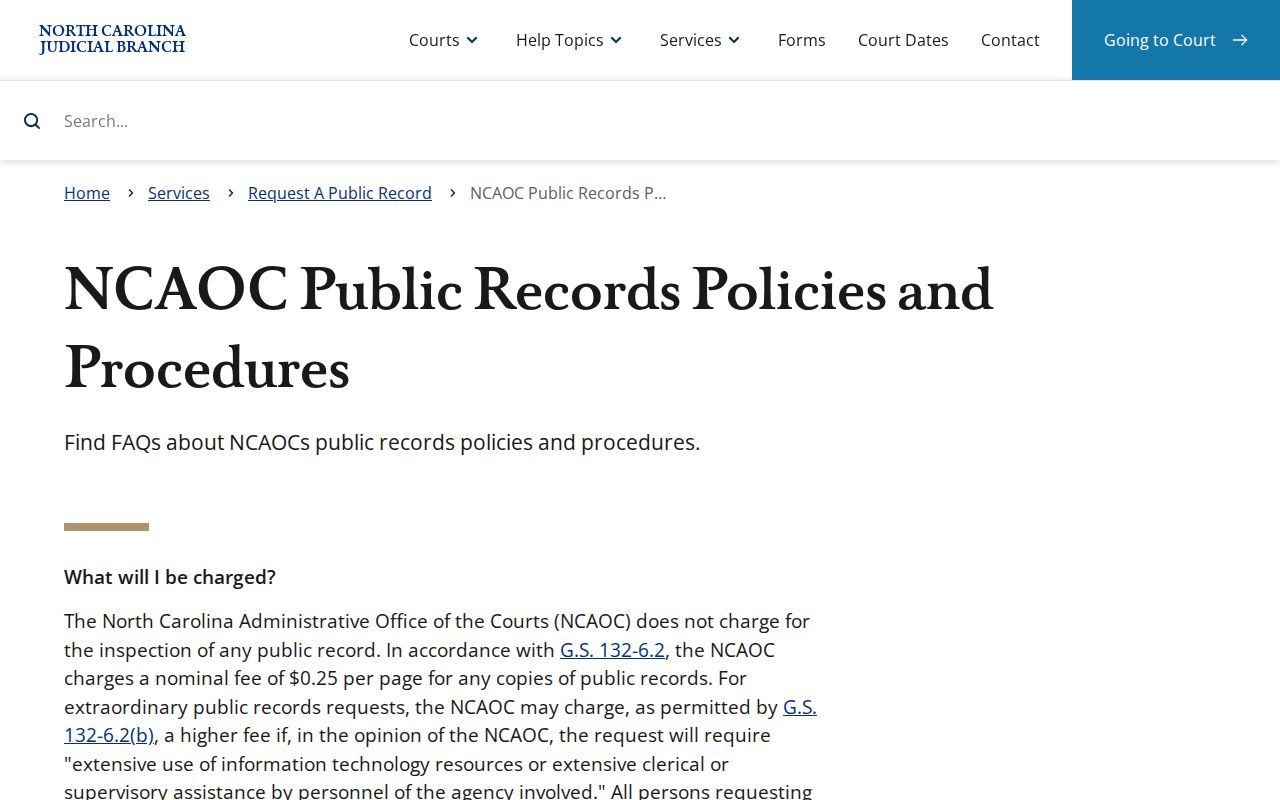
The statewide NCAOC public-record request form covers one thing only. It handles existing Judicial Branch administrative records held by NCAOC. Its own instructions say it is not the custodian of court documents or case information. So a Pitt order, judgment, court docket, or case-file copy belongs with the Pitt Clerk where the case was filed. NCAOC cannot certify a Pitt case document.
NCAOC's public-record policy also draws a line between inspection and copies. It allows redaction of confidential material. The administrative copy price it lists is not the local court-file fee. Keeping the channels separate keeps a Pitt county court-file request from landing with the wrong office.
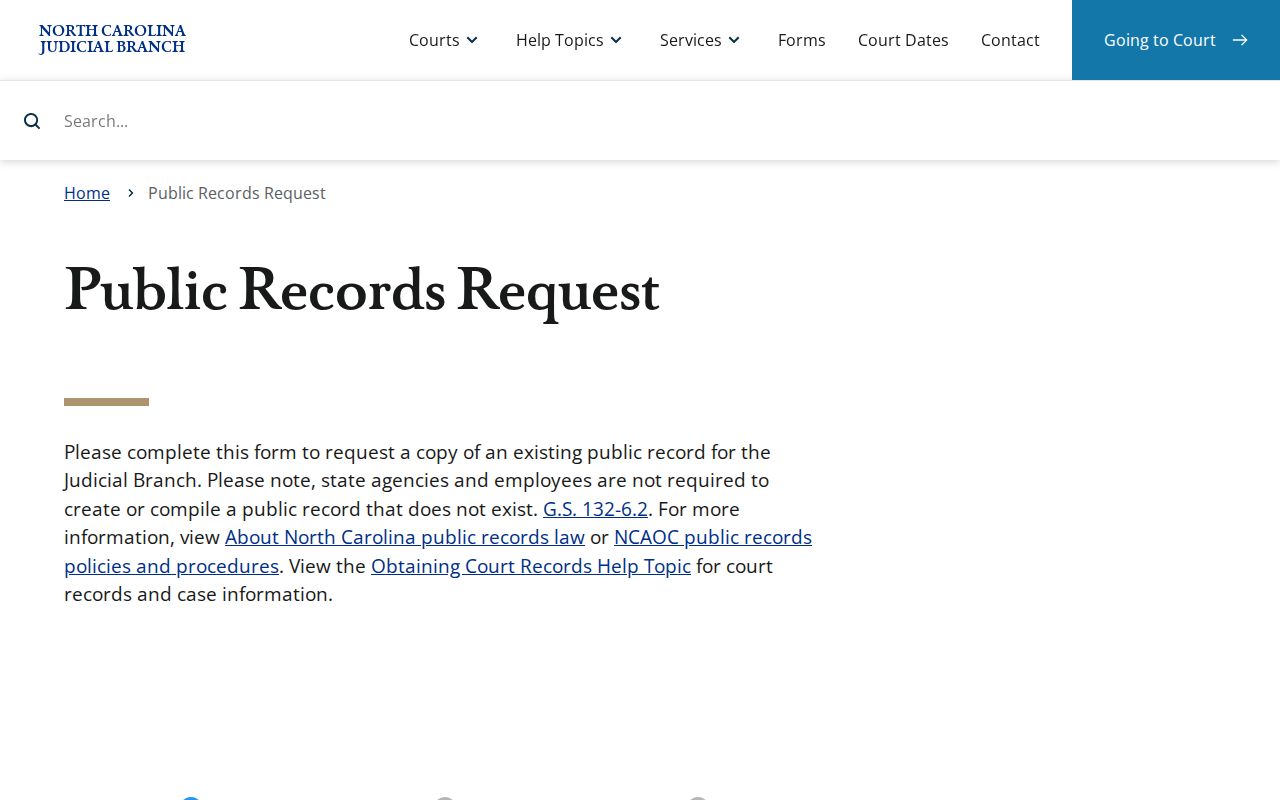
That distinction is what the official page confirms: it creates no route to obtain a Pitt case file from NCAOC. The official NCAOC policy source spells out its administrative records policy in full.
For county case records, the Clerk's statutory copy charges remain the relevant local authority.
Pitt Records After eCourts
Pitt went live on eCourts on April 28, 2025. Portal, Enterprise Justice, and eFiling all launched for the county that day. That conversion date explains why an older Pitt record can look different from newer activity. Today the public searches through the Pitt Portal, Pitt kiosk, and Pitt Clerk channels. Pre-conversion history, though, may have been converted, scanned, kept in paper, restricted, or held for clerk-side inspection.
Watch the timestamps. Portal warns that converted pre-go-live events can show a 12:00 a.m. time. That is a migration artifact rather than the time an official acted. When timing matters, compare the event date and description against the Clerk file. For older or unavailable Pitt records, ask the Clerk to identify the approved access method. The court publishes no archive address or scan cutoff.
Sealed Records and Public Access
North Carolina law generally opens Pitt Clerk-maintained files, dockets, and indexes to public inspection during regular office hours. Another law can still say otherwise. That is a default, not a guarantee. Juvenile material, unreturned criminal warrants, sealed material, and expunged records all face distinct limits. Portal hides Social Security numbers from public and elevated users alike. A Pitt search result can omit restricted content.
An expunged item may simply not appear on Portal. A juvenile record is not handed out at the counter just because ordinary clerk files are open to view. What controls is the exact record, the case status, and your access right. The Clerk publishes no Pitt-specific expunction filing fee or local sealed-case form.
Key rules:
G.S. 7A-109 requires the Clerk to maintain court records and permits regular-hours inspection unless law provides otherwise.
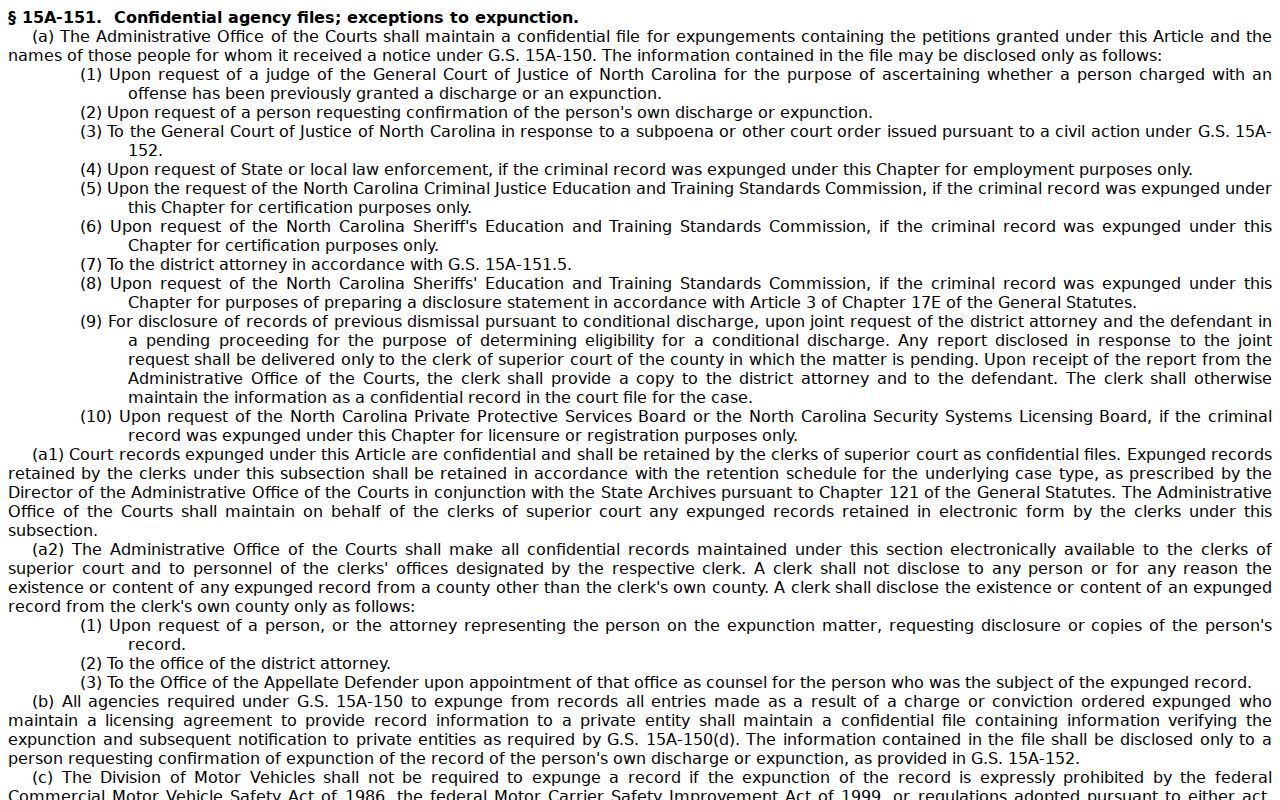
G.S. 15A-151 makes expunged court records retained by clerks confidential under limited-disclosure rules.
G.S. 7B-3000 withholds juvenile records from public inspection except for specified people or by court order.
The official expunged-record statute is the source for the Pitt confidentiality boundary.
Restricted access is a legal and case-specific question, not a conclusion a public search can settle.
Pitt Court Transcripts and Records
A transcript is its own kind of court record. It is the written account of a Pitt hearing or trial. A reporter or transcriptionist prepares it. It is not a docket printout, and it is not a Pitt Clerk copy. Pitt's official court-reporter contact is 252-695-7260. The Judicial Branch says the reporter or transcriptionist charges for preparation. No Pitt per-page price is published.
Split your requests accordingly. For an order, judgment, or Case Summary, go to the Pitt Clerk and identify the file. For the spoken proceeding itself, use the court-reporter route. Keeping those apart sends each request to the right Pitt office the first time.